





Bearded Iris
Iris germainca
Why include it:
Personal favorite - especially the shorter, reblooming type.
Lovely flowers with distinct upright silvery green foliage, which provides a lot of textural interest. They are not invasive and their rhizome roots are very tough. It’s incredibly easy to control - and diivide.
Because they grow mostly in the spring, they provide early color without competing with the classic, summer blooming native pollinator plants. There are relatively few native perennials that bloom in May. They are also a great way to have some color beneath deciduous trees because iris’s heavy growth period happens before they leaf out.
Early pollinators love them, particularly beetles. They do get some more destructive insects, but these are usually specific to iris and will not bother other plants.
Avoid over-hybridized varieties! They generally tall and need staking, have sloppy foliage, and the huge, ruffly flowers are kind of weird looking. General rule: if it won an award - you don’t want it.
Some have a fantastic scent - jasmine and anise. The also make great cut flowers, so if they are too showy you can always cut some.
‘blessed again’ - blooms in May and October, about 16” tall, incredibly robust, spells like heaven. It has smaller flowers and plenty of them.



Coral Bells
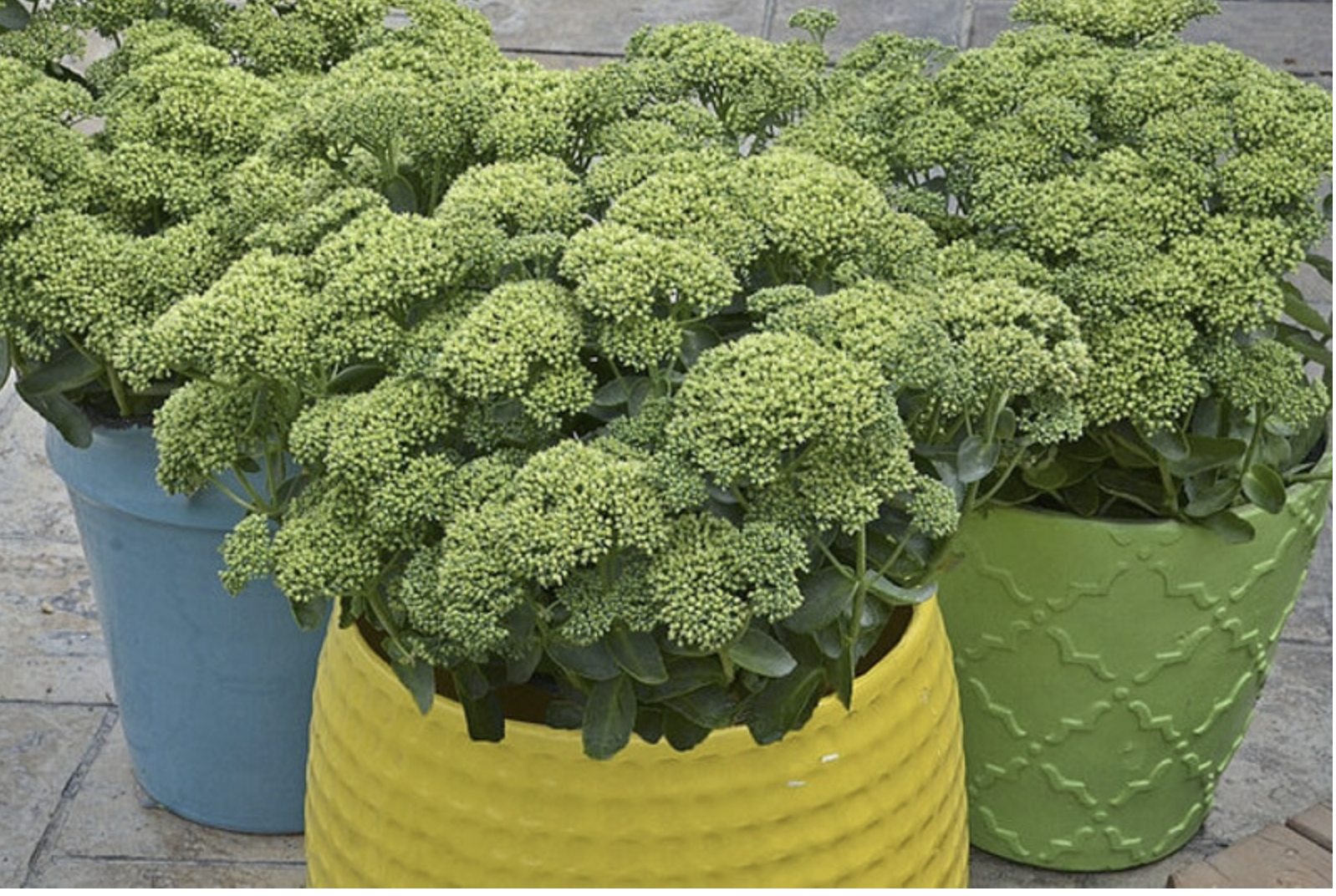
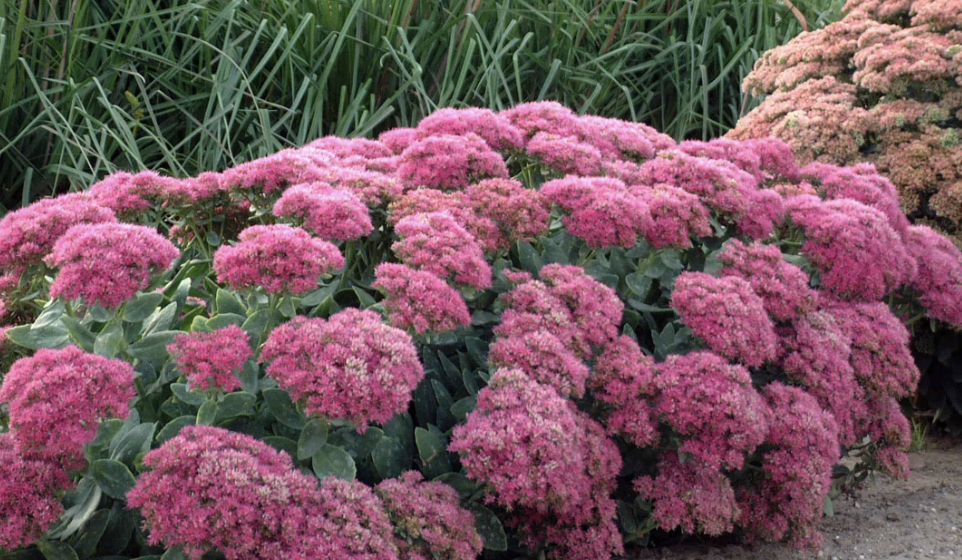
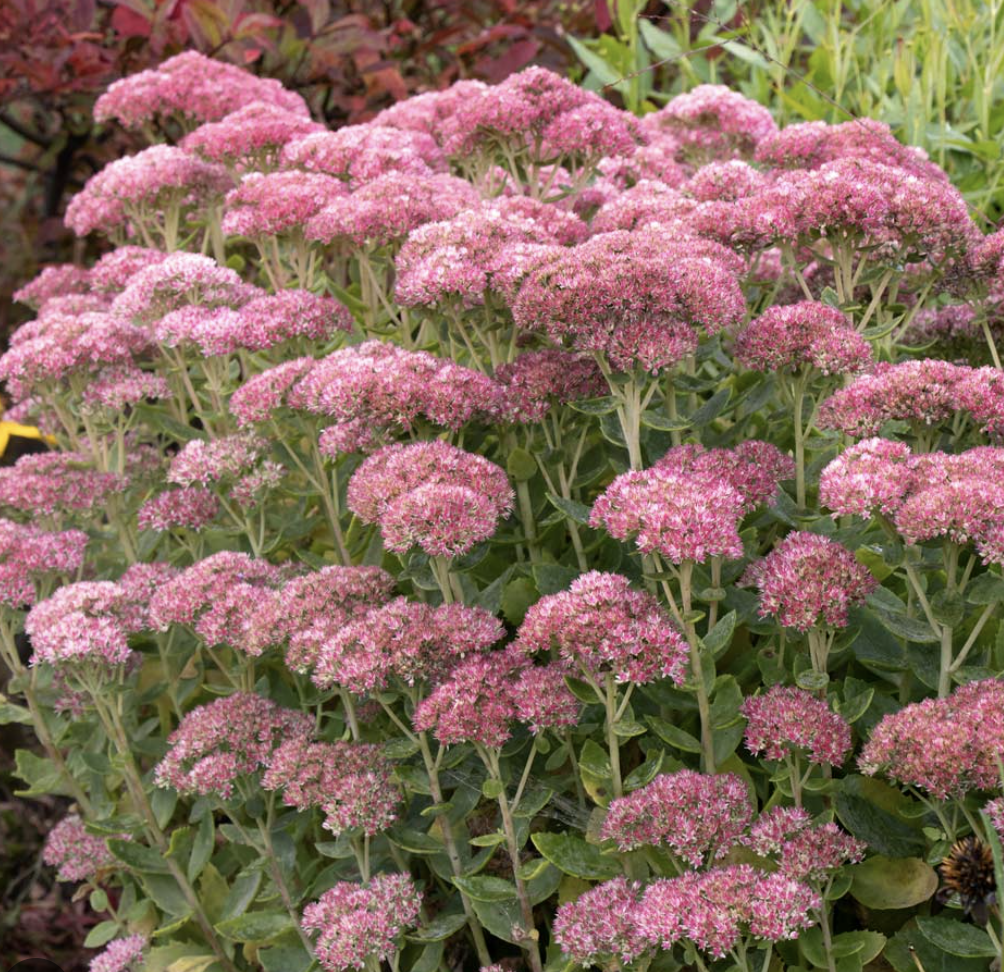
Heuchera x.
Heuchera spp.
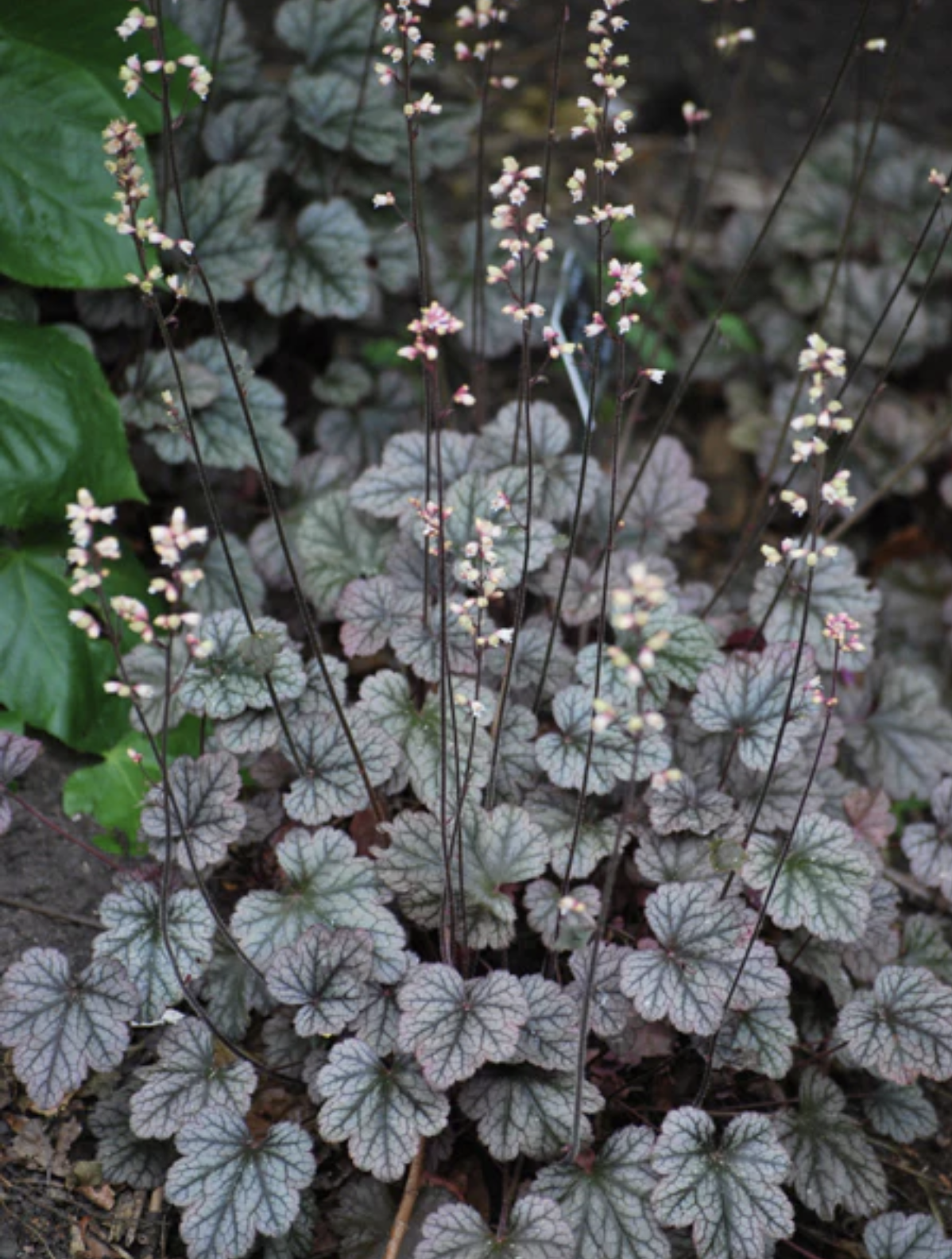
This plant has beautiful foliage and perfectly acceptable flowers (they create a nice flower haze are great cut flowers).
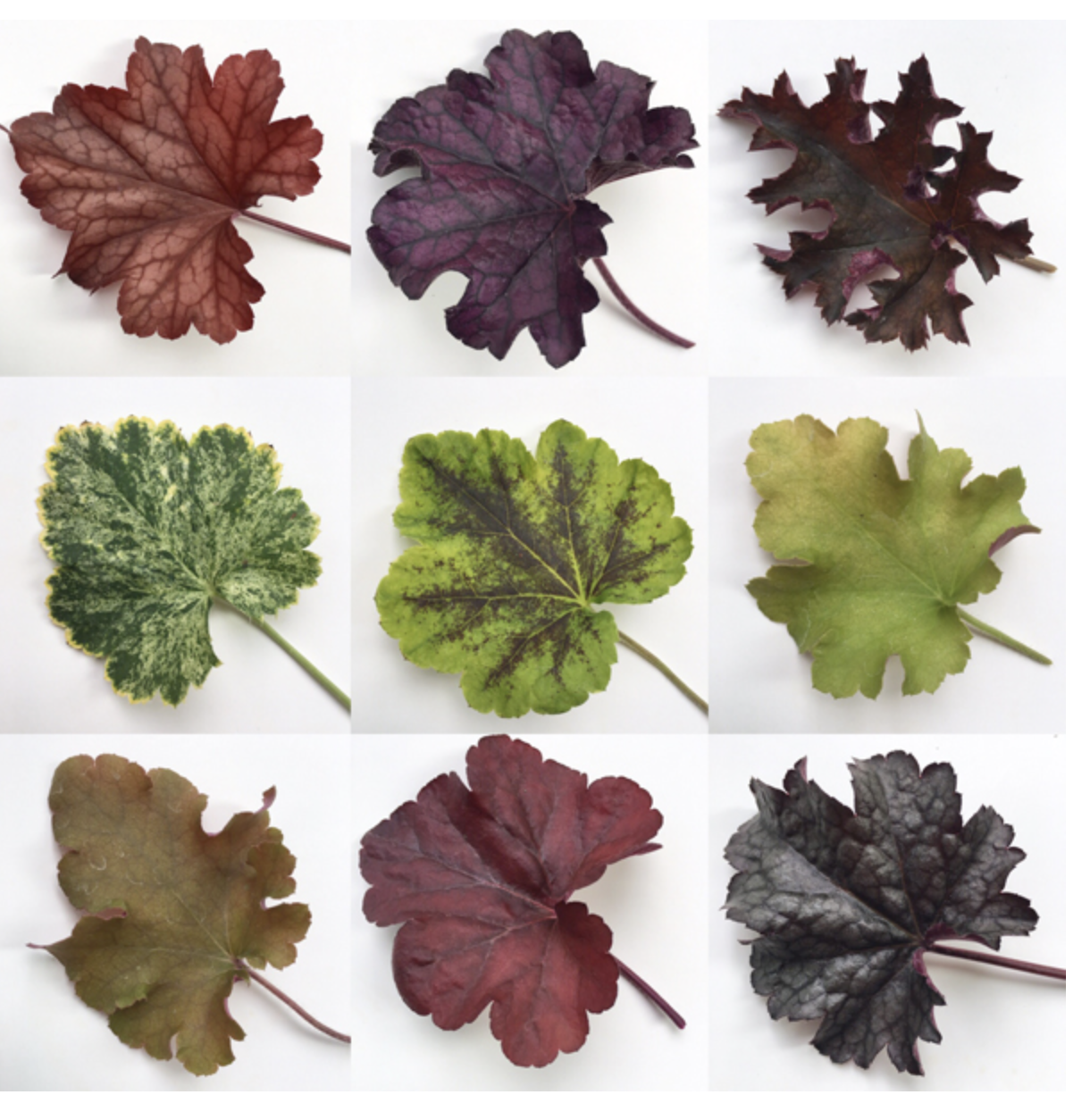
They are mostly hybridized from native species, but the dark leaved varieties are heavily hybridized and they are not a favorite food of wildlife - purple is bitter (which is why we use purple leaves more as a garnish) Even though they aren’t great at supporting wildlife, their compact size and vigor add a touch of order to a border that can become disorganized over the season.
They are very tough once established - they can grow surprisingly deep, tough roots that are almost woody. I have found that the warmer colored leaved varieties languish and disappear after a couple years.