Amsonia
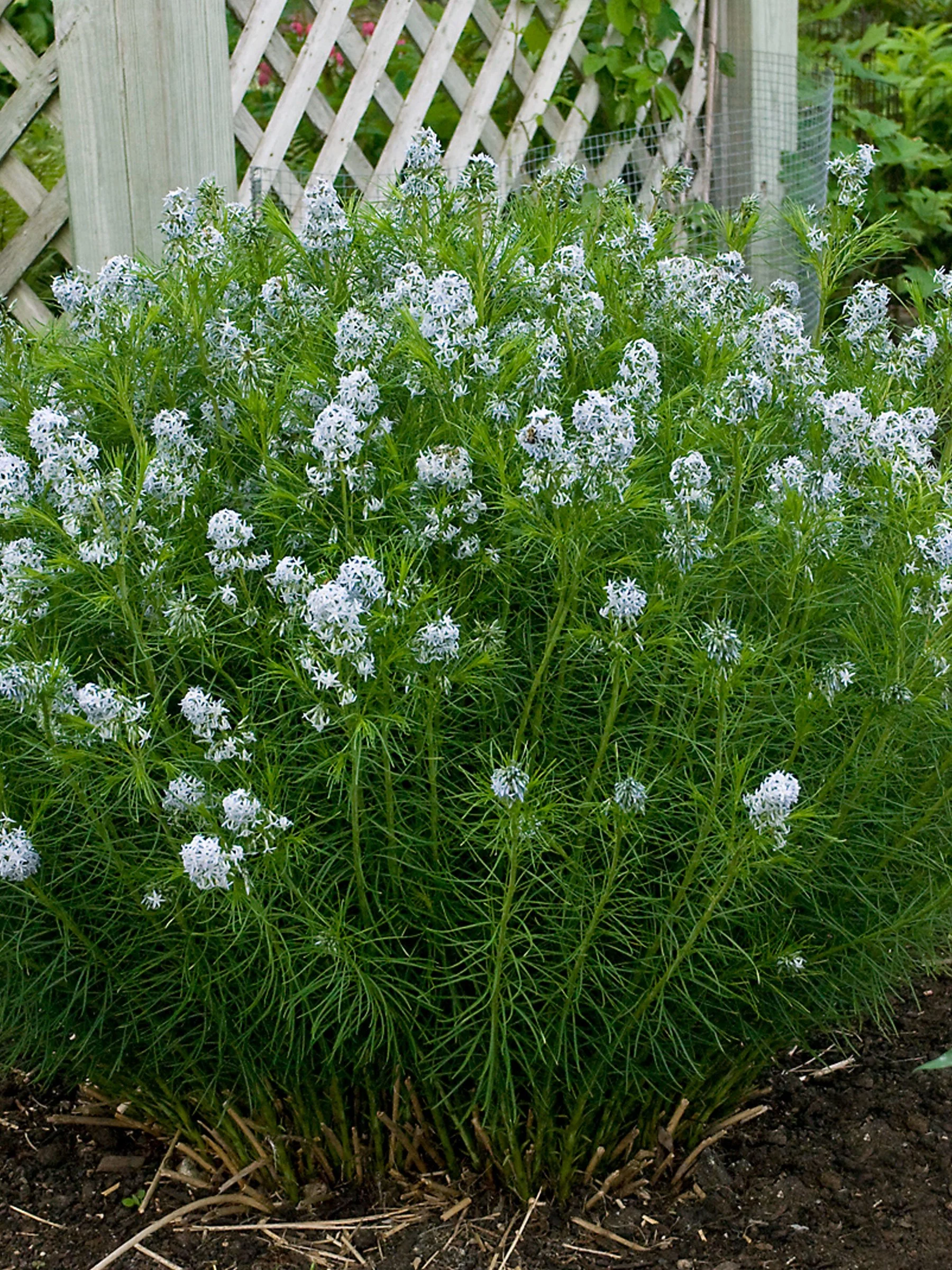
Amsonia hubrichtii
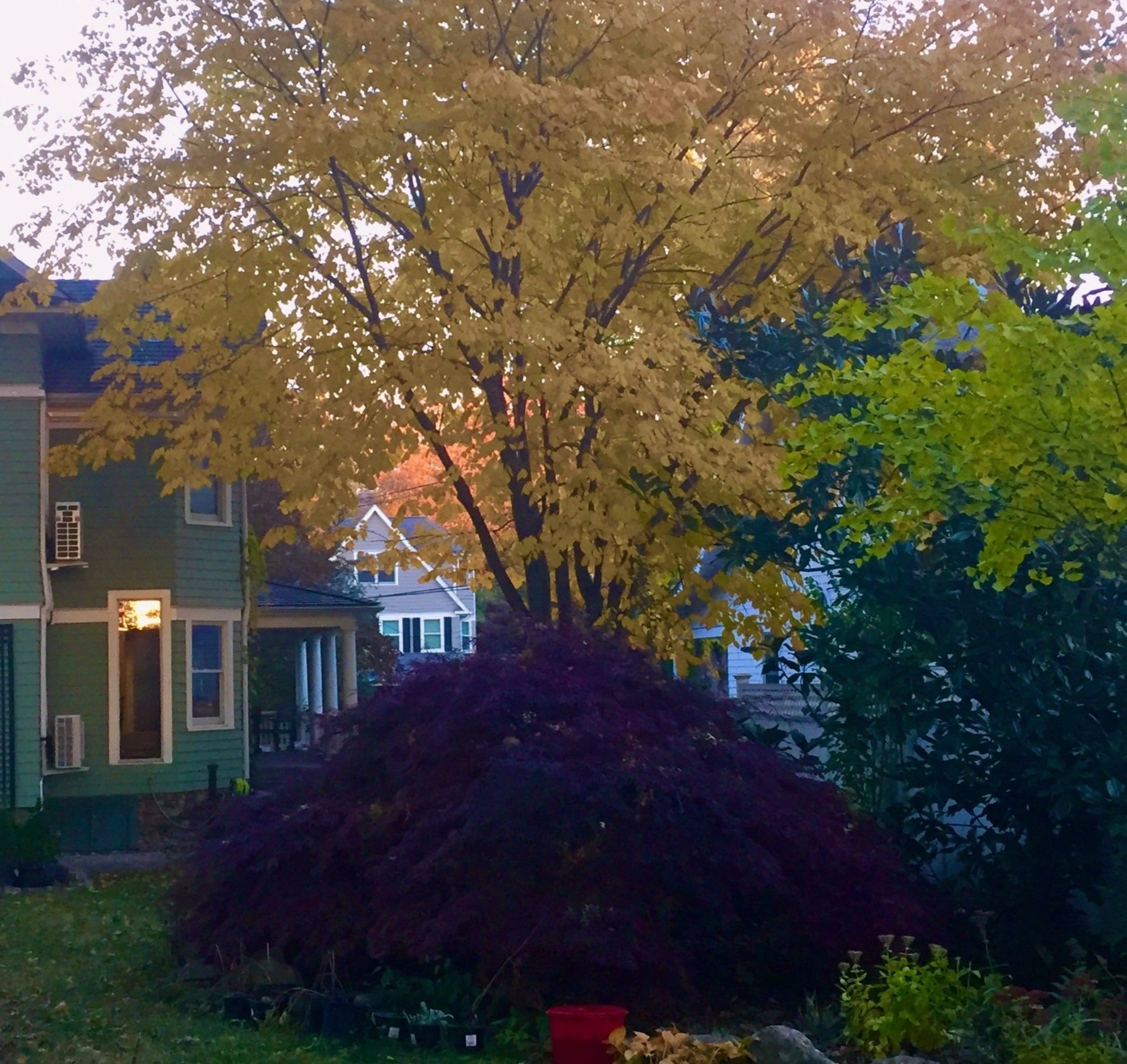
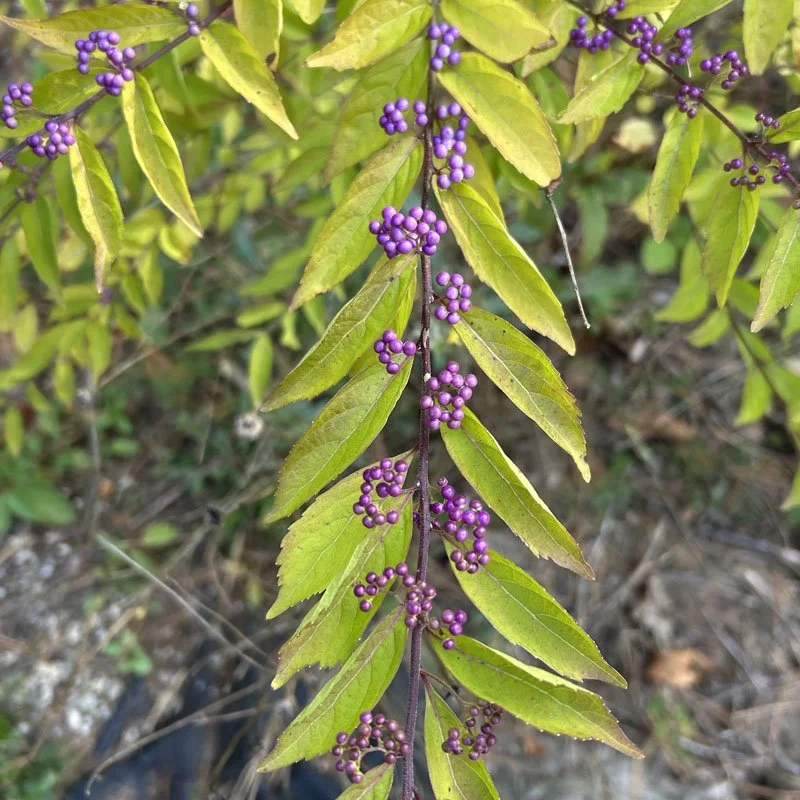
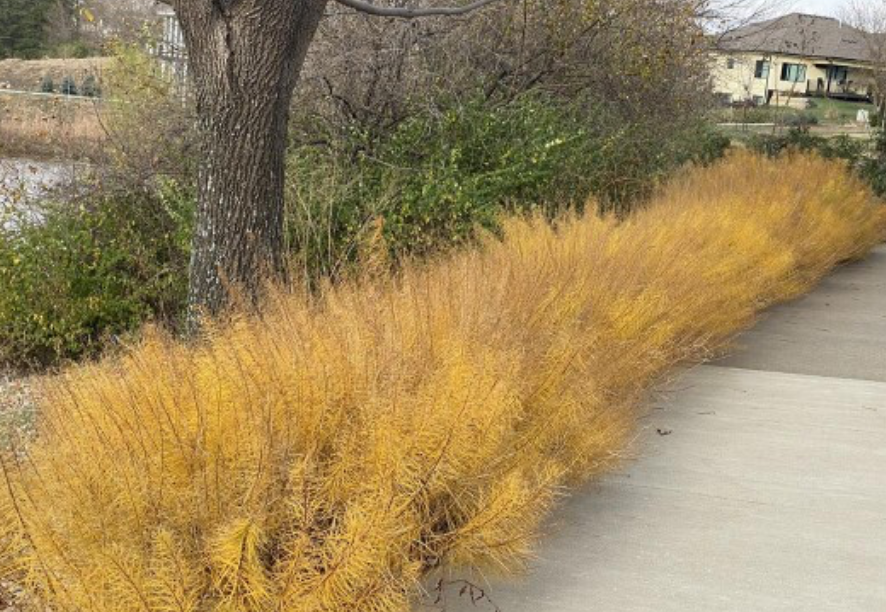
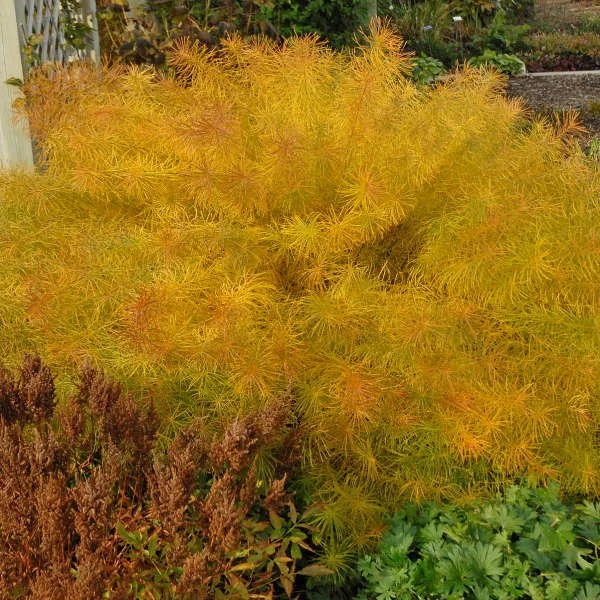
Fall color - soft swaths of intense color - it what sells this plant.
It really needs to be planted in a swath - individual plants aren’t very interesting and the fall color gets lost with other foliage.
People go one about the flowers, but they are gray and uniteresting. They attract pollinators, which shows that I’m not a bug.
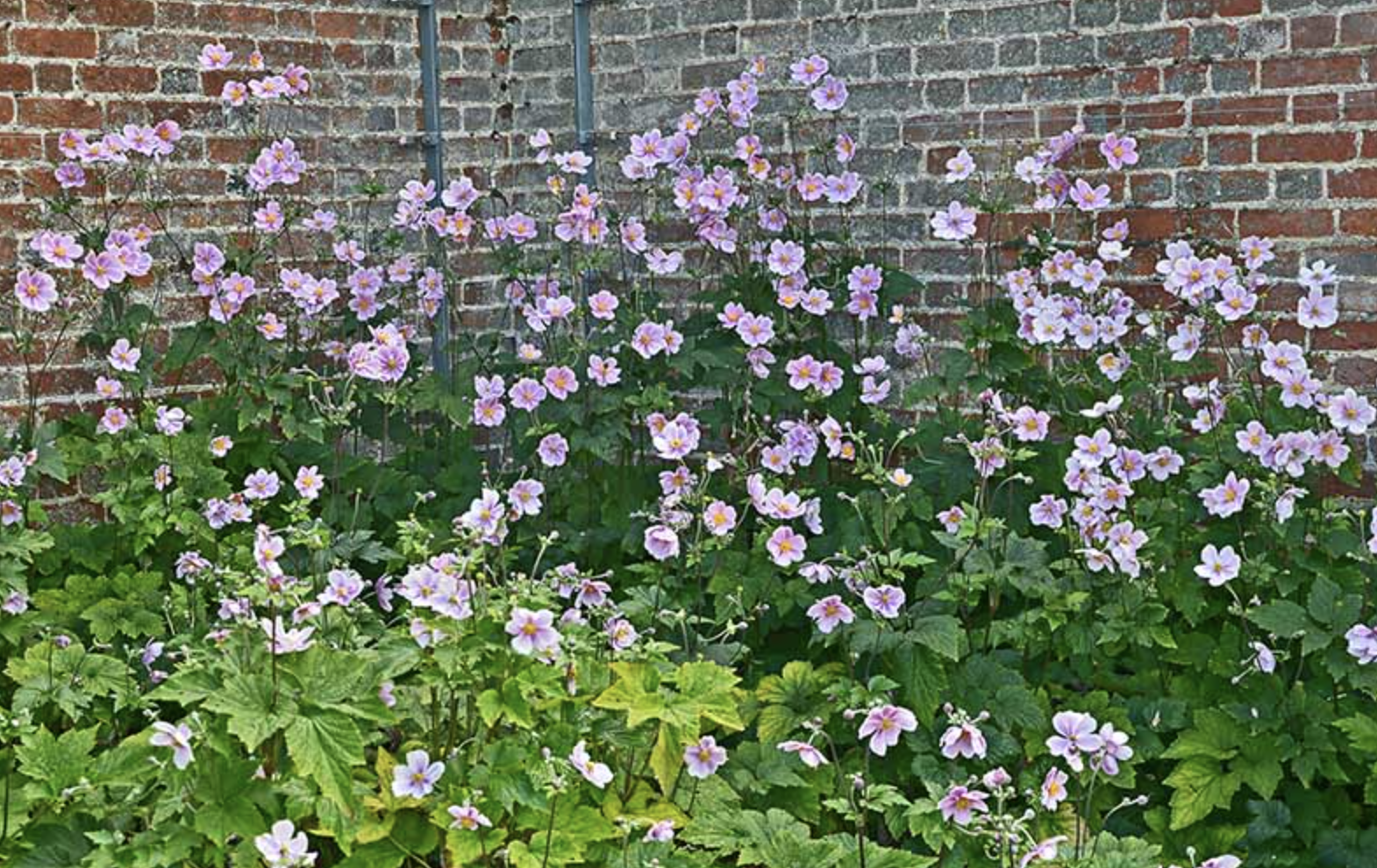
Japanese Anemone
Anemone x hybrida
Anemone × hybrida
This non-native can become aggressive, although it generally doesn’t stray very far.
Why include it?
It blooms well in pretty dark shade. It’s favorite condition is “bright shade” under pruned up deciduous trees and tall shrubs, but it flowers pretty much anywhere.
It is very drought tolerant - after a coule of years you don’t need to worry about it at all. It grows very deep thick roots that will find water well below the surface.
Pollinators love its open flowers on wiry stems - especially butterflies.
It blooms in August. The unacknowledged truth is that unless you are fanatic about watering and deadheading, August is a pretty dull month. There are some native exceptions and fall plants are getting revved up, but the heat and lack or rain convince other plants to pack it in for the year. Japanese anemone start their show during this lull.

Karl Foerster
Calamagrostis × acutiflora ‘Karl Foerster’
Calamagrostis × acutiflora ‘Karl Foerster’
This is the only grass I really like - the rest are sloppy, aggressive, and create unwanted seedlings everywhere (they’re the boyfriend from hell.) This one has beautiful structure while adding softness and moving. They are sterile, but grasses don’t attract pollinators anyway.
It’s not native.

Bearded Iris
Iris germainca
Why include it:
Personal favorite - especially the shorter, reblooming type.
Lovely flowers with distinct upright silvery green foliage, which provides a lot of textural interest. They are not invasive and their rhizome roots are very tough. It’s incredibly easy to control - and diivide.
Because they grow mostly in the spring, they provide early color without competing with the classic, summer blooming native pollinator plants. There are relatively few native perennials that bloom in May. They are also a great way to have some color beneath deciduous trees because iris’s heavy growth period happens before they leaf out.
Early pollinators love them, particularly beetles. They do get some more destructive insects, but these are usually specific to iris and will not bother other plants.
Avoid over-hybridized varieties! They generally tall and need staking, have sloppy foliage, and the huge, ruffly flowers are kind of weird looking. General rule: if it won an award - you don’t want it.
Some have a fantastic scent - jasmine and anise. The also make great cut flowers, so if they are too showy you can always cut some.
‘blessed again’ - blooms in May and October, about 16” tall, incredibly robust, spells like heaven. It has smaller flowers and plenty of them.