

Liatris
Liatris spicata
Liatris spicata
These tall upright plants are a designers dream, useful for any style of garden. They are structured enought for a formal garden yet fine textured enough for a meadow.
Their magenta flowers add color, but their airiness softens the color without making it too pale. They stand very straight and have very fine textured foliage. They are great “thrillers” in containers - their form makes them look good with or without the flowers. They are very reliable and very resilient. They are also easy to divide and make great cut flowers.
Even if they weren’t a wildlife supporting native, they would still be worth growing. There are white varieties, but I don’t see the point.

Shasta Daisy - pale yellow
Leucanthemum × superbum ‘banarama’
Leucanthemum × superbum ‘banarama’

Coral Bells
Heuchera x.
Heuchera spp.
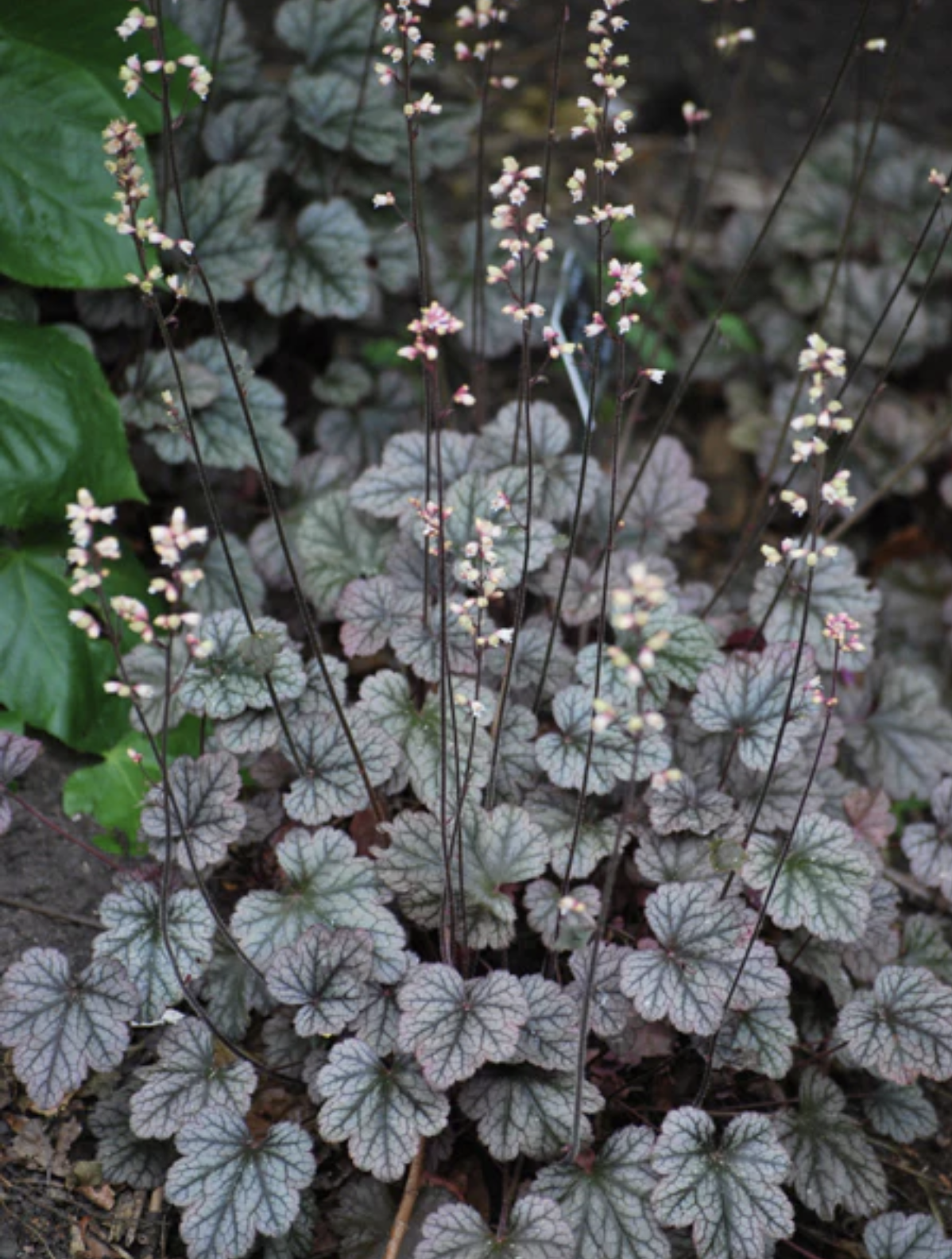
This plant has beautiful foliage and perfectly acceptable flowers (they create a nice flower haze are great cut flowers).
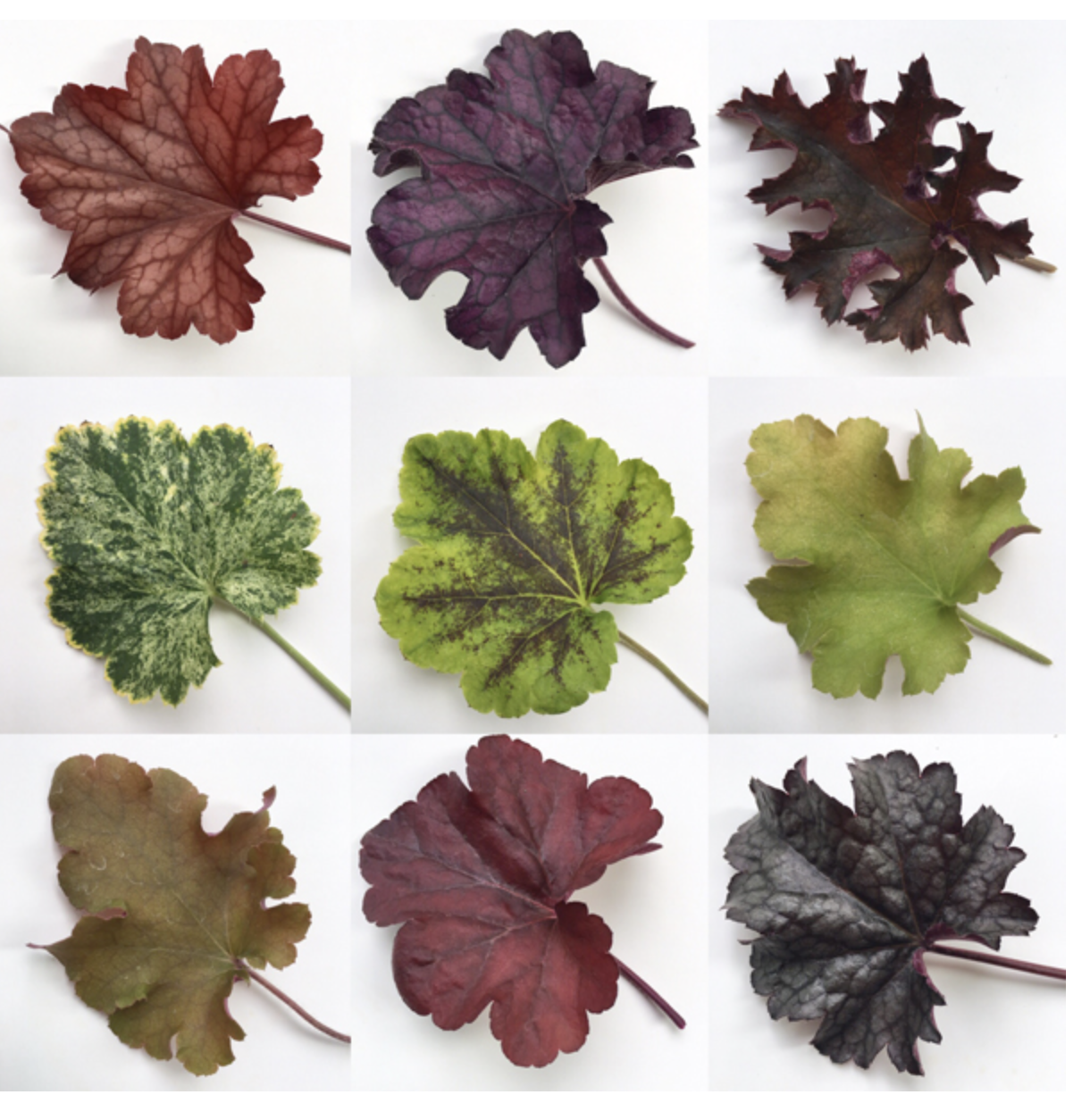
They are mostly hybridized from native species, but the dark leaved varieties are heavily hybridized and they are not a favorite food of wildlife - purple is bitter (which is why we use purple leaves more as a garnish) Even though they aren’t great at supporting wildlife, their compact size and vigor add a touch of order to a border that can become disorganized over the season.
They are very tough once established - they can grow surprisingly deep, tough roots that are almost woody. I have found that the warmer colored leaved varieties languish and disappear after a couple years.

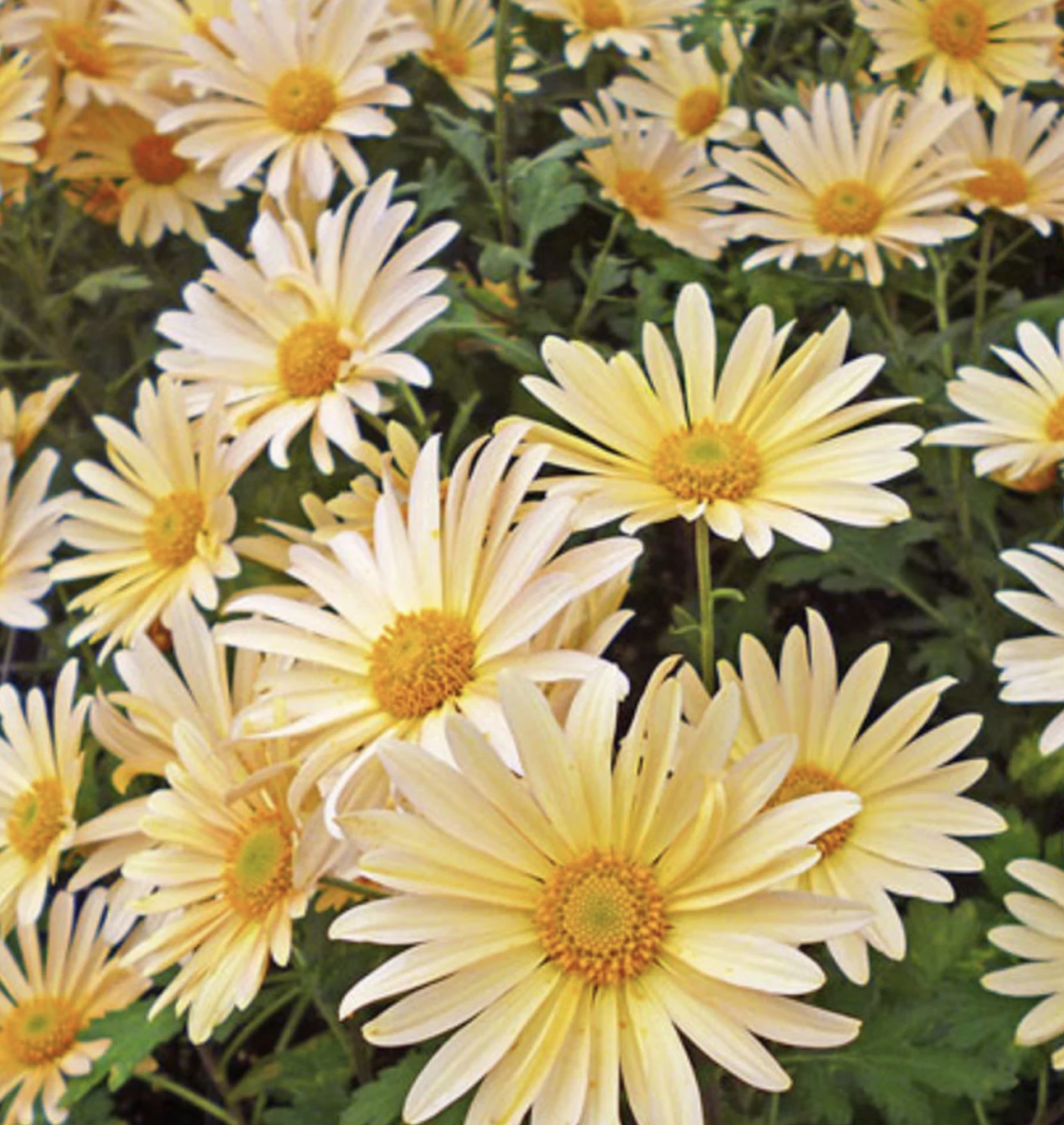
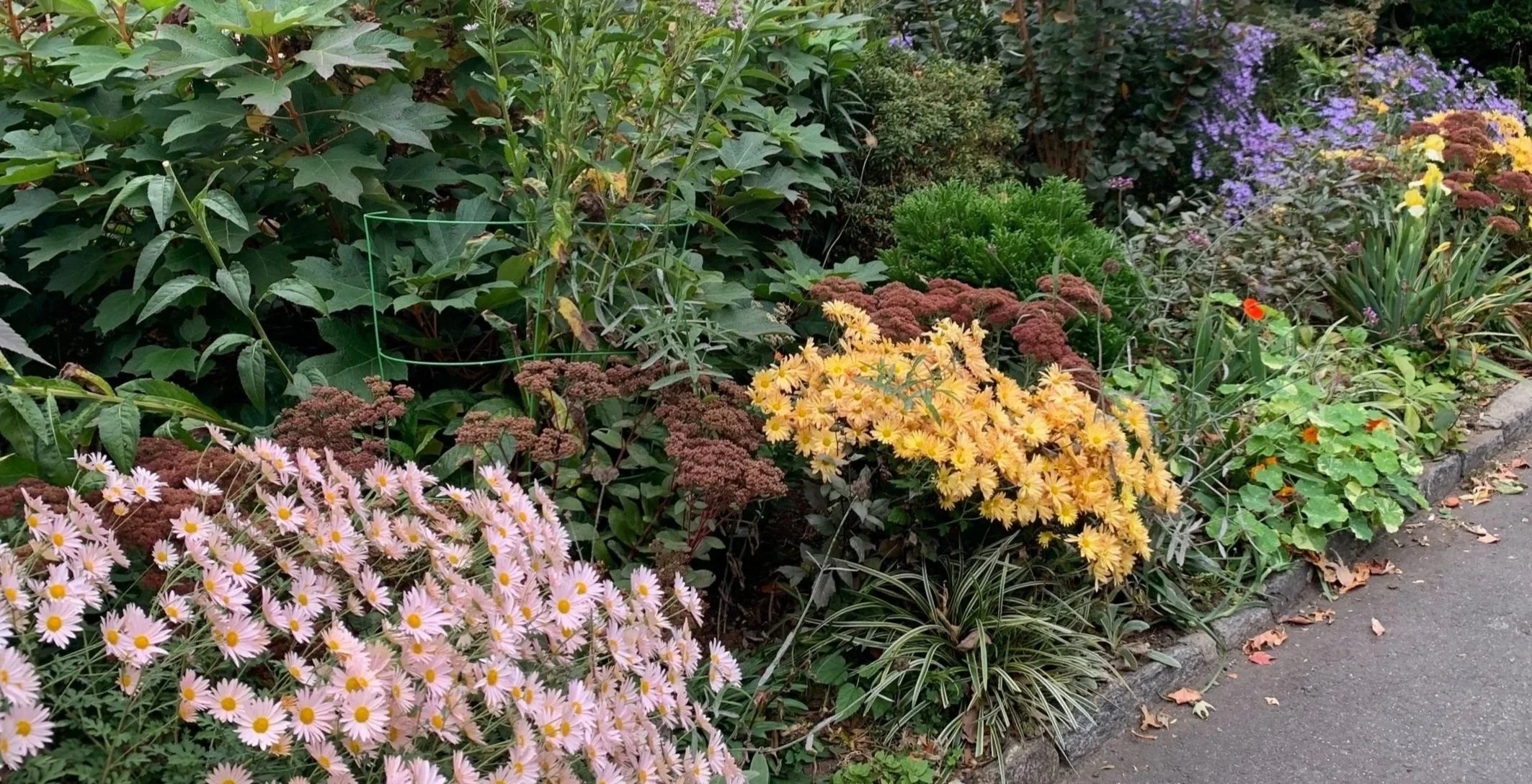
Hardy Mums
Chrysanthemum × morifolium - is this right? Chrysanthemum ×.
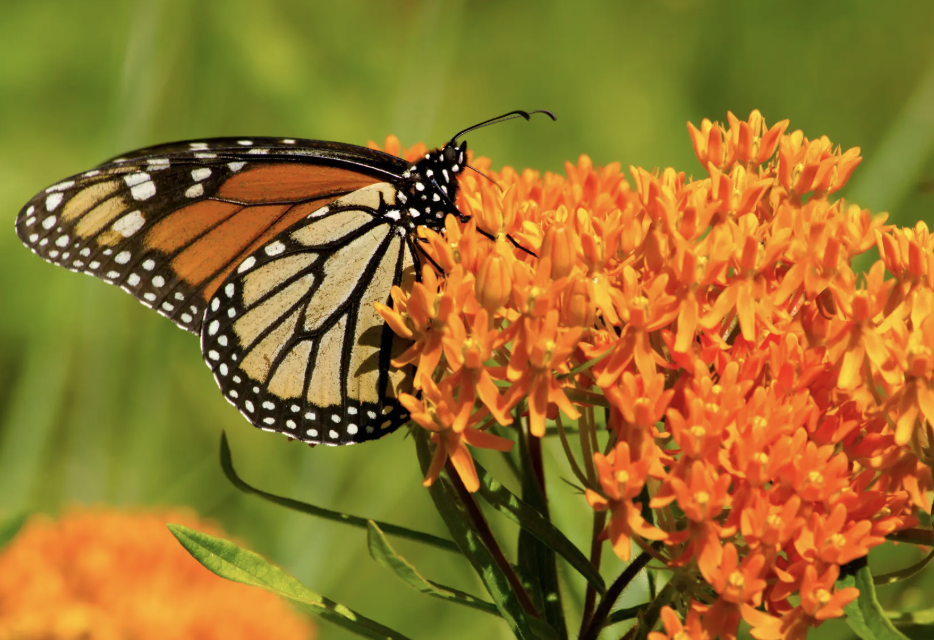
The “butterfly effect” is an abstract idea, but with monarchs it shows up in plain sight. Their numbers have dropped because of habitat loss and climate shifts. Many monarchs are in our area in early fall and the reason we don’t see them is simple: most gardens have stopped offering anything worth a visit.
But the season doesn’t need to end that early. Monarchs will stop by through October if there if there is a reason to - like the blooms of single hardy mums
Grocery store mums are tight, double forms that don’t offer much to pollinators and look out of place in the garden. Garden mums are different. They are very hardy long lived plants with healthy, robust foliage that fills the empty spaces left by fading summer plants.
When they bloom, hardy mums produce tons of flowers - making October one of the most beautiful months in the garden. They give monarchs a reason to land - their single fall flowers provide exactly what they need. It’s a small step with a real butterfly effect in our own gardens.